
Introduction to Essential Kitchen Tools
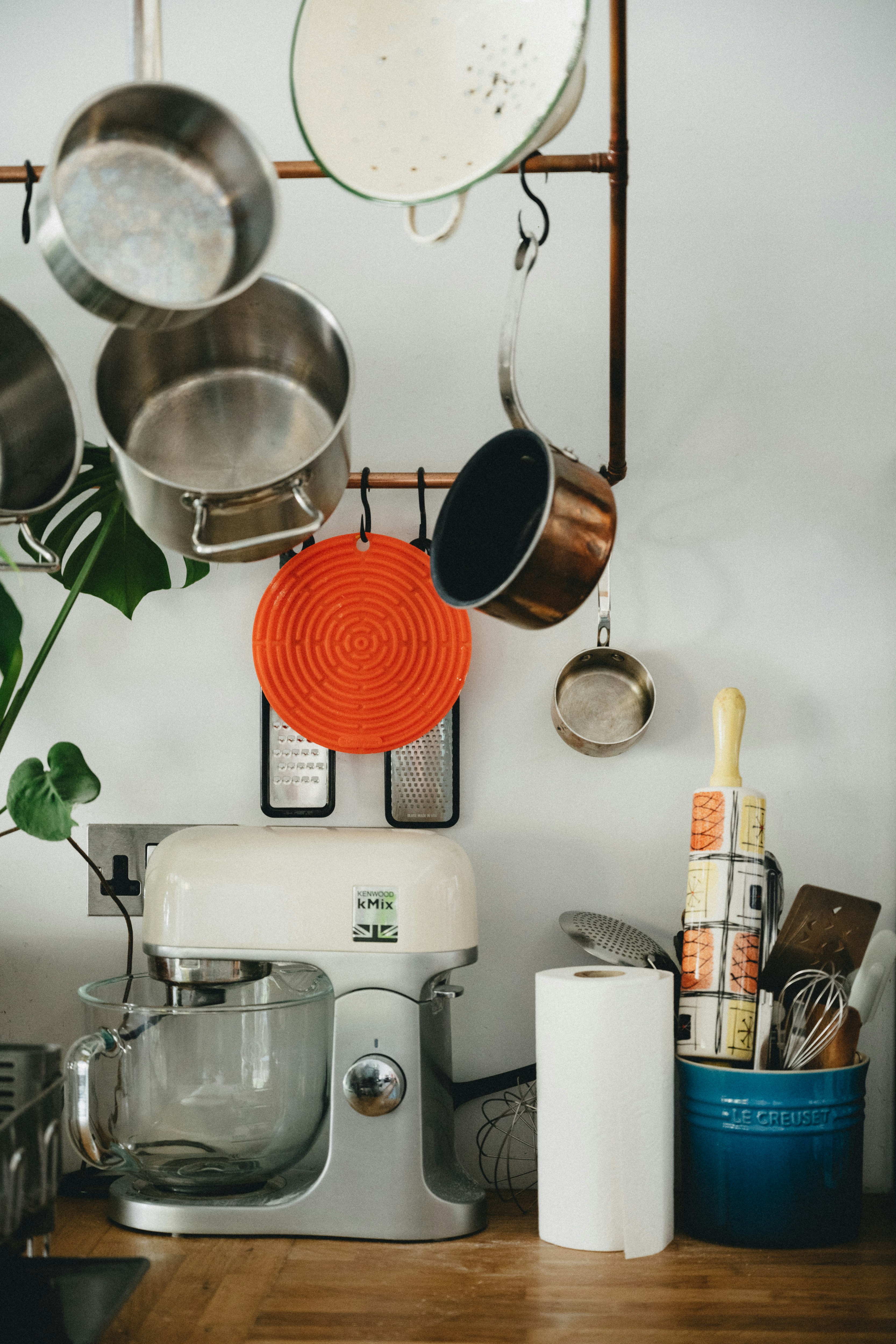
In any home, the importance of essential kitchen tools cannot be overstated. These tools serve as the foundation for culinary success, transforming the cooking experience from a mundane task into an enjoyable and efficient endeavor. Whether you are a novice cook or a seasoned chef, having the right kitchen tools at your disposal is crucial for achieving desired results and minimizing the hassle associated with meal preparation.
Essential kitchen tools facilitate a streamlined cooking process, allowing for better organization and efficiency. When equipped with the appropriate instruments, individuals can navigate various cooking techniques with ease, ensuring that even complex recipes can be tackled without overwhelming difficulty. From basic utensils to specialized gadgets, a well-stocked kitchen empowers home cooks to explore new recipes, experiment with flavors, and confidently prepare meals that satisfy both taste and presentation.
Furthermore, these tools also contribute significantly to the enjoyment of cooking. As the act of preparing food becomes more manageable, it opens up opportunities for creativity and exploration in the kitchen. High-quality tools not only enhance functionality but also promote safety and precision, allowing for greater control over cooking processes. The right kitchen tools can minimize the risk of accidents, leading to a more pleasant cooking atmosphere.
In summary, the significance of essential kitchen tools extends beyond mere convenience; they enhance the overall culinary experience, making it enjoyable and motivational. Preparing meals becomes less of a chore and more of a pleasurable activity when armed with the right equipment. Therefore, understanding which kitchen tools are paramount is key for any household looking to improve their cooking efficiency and enjoyment.
Knives: The Chef’s Best Friend

- 【High Carbon German Stainless Steel Laser-engraved Pattern(Not Damascus Pattern )】 MOSFiATA 8 inch pro chef’s knife is m…
- 【Razor Sharp Edge & Anti-Corrosion, Anti-Tarnish Blade】Processed with the unique polishing technology and hand sharpened…
- 【Full Tang Construction & Ergonomic Design】 MOSFiATA ergonomic knife handle is made of santoprene for comfort and polypr…
Knives are indispensable tools in any kitchen, serving as the foundation for efficient food preparation. A well-equipped kitchen typically includes several types of knives, each designed for specific tasks. Among these, the chef’s knife stands out due to its versatility and multifunctionality. Ranging from 8 to 10 inches in length, this knife is ideal for slicing, dicing, and chopping vegetables, meats, and herbs, making it the cornerstone of culinary work.
In addition to the chef’s knife, a paring knife is essential for tasks that require precision, such as peeling fruits or detailed cutting. Its smaller blade size, generally around 3 to 4 inches, allows for better control and maneuverability. For dealing with bread and baked goods, serrated knives are essential. Their saw-like edges help to effortlessly cut through crusts without crushing the soft interior, making them a crucial addition to any baking enthusiast’s toolkit.
When selecting knives, one should consider factors such as handle comfort, blade material, and overall weight. A balanced knife with a comfortable grip enhances efficiency and reduces the risk of accidents during prolonged use. It’s advisable to invest in high-quality, durable knives, as their longevity will ultimately justify the initial expense.
Proper maintenance is equally as important as selection. Regular sharpening ensures that knives maintain their cutting performance, enhancing both the safety and ease of food preparation. Employing a honing steel for daily maintenance and sharpening with a whetstone or electric sharpener periodically can extend the lifespan of knives significantly. A dedicated knife block or magnetic strip is also helpful for safely storing knives, preventing blade damage and ensuring they are readily accessible.
Cutting Boards: The Foundation of Food Prep

- FIVE PIECE SET FOR ALL FOOD TYPES: this cutting board set is perfect for all food types; mats can be used to chop or cut…
- TEXTURED BACKING: the boards feature a textured backing which helps keep them in place on your countertop, no matter wha…
- BPA-FREE AND DURABLE: all cutting boards are BPA free and a great choice for your home; non porous unlike wood or bamboo…
Cutting boards are fundamental kitchen tools that play a significant role in food preparation. They provide a stable surface for cutting, chopping, and slicing ingredients. Various types of cutting boards are available, each offering unique benefits and potential drawbacks. Understanding these options can help you make informed decisions tailored to your cooking needs.
Wooden cutting boards are prized for their aesthetic appeal and durability. They are gentle on knife blades, helping maintain edge sharpness longer. However, they require more maintenance, as they should be regularly oiled to prevent warping and cracking. Moreover, they are more susceptible to absorbing moisture and odors if not properly cared for.
Plastic cutting boards, on the other hand, are favored for their ease of cleaning and affordability. They are typically dishwasher safe and come in various colors, making it easy to designate different boards for specific food types, such as meats, vegetables, or fruits. This versatility is important for food safety, as it minimizes the risk of cross-contamination. However, plastic boards can develop knife grooves that harbor bacteria over time, necessitating regular replacement.
Bamboo cutting boards combine characteristics of both wood and plastic. They are lightweight, eco-friendly, and resistant to moisture, making them less prone to warping compared to traditional wood boards. While they are relatively easy to maintain, they can be hard on knife blades, requiring careful handling to prevent dulling.
Incorporating multiple cutting boards into your kitchen can enhance food safety and preparation efficiency. By using separate boards for raw meats and other foods, you can significantly reduce the risk of cross-contamination. In summary, choosing the right type of cutting board is crucial to maintaining a functional and sanitary cooking environment.
Measuring Tools: Precision Matters
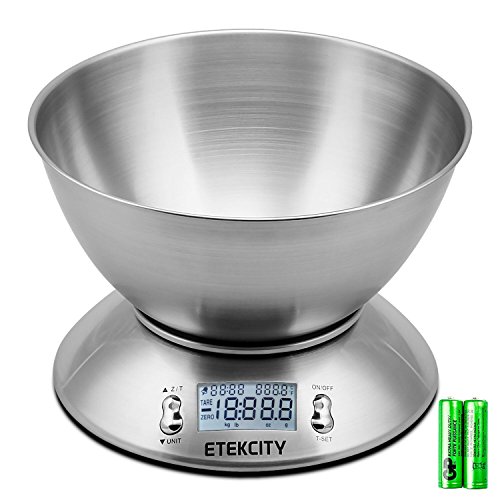
- 𝗣𝗿𝗲𝗰𝗶𝘀𝗲 𝗠𝗲𝗮𝘀𝘂𝗿𝗲𝗺𝗲𝗻𝘁: 11 lb/5 kg capacity with a division of 0.1 oz/1 g. High precision strain gauge sensors that deliver…
- 𝗦𝗺𝗮𝗿𝘁 𝗨𝗻𝗶𝘁𝘀: scale will show at lb:oz/kg automatically when your weight is over 16 oz/1000 g
- 𝗠𝘂𝗹𝘁𝗶𝗳𝘂𝗻𝗰𝘁𝗶𝗼𝗻𝗮𝗹: includes room temperature sensor and alarm timer in order to accomplish more tasks with less clutter on…
Accurate measurements are crucial in cooking and baking, where the right balance of ingredients can greatly affect the final result. The use of measuring tools ensures that recipes yield consistent outcomes, whether you are preparing a hearty meal or a delicate dessert. Among the essential measuring tools, measuring cups, measuring spoons, and kitchen scales stand out as vital instruments in any kitchen.
Measuring cups are typically used for both liquid and dry ingredients. For liquids, it is advisable to use glass or plastic measuring cups with measurement markings on the side. When measuring dry ingredients, such as flour or sugar, it is important to spoon the ingredient into the cup and level it off with a flat edge, rather than scooping directly from the container. This practice prevents overpacking and results in more precise measurements.
Measuring spoons are equally important, particularly for smaller quantities. They come in sets that usually include measurements of teaspoons and tablespoons. It is essential to use the correct spoon size for accurate ingredient measurement, especially when dealing with potent spices, flavorings, or baking powder. For instance, a teaspoon of salt can have a much different impact than a tablespoon, so precision is key.
For greater accuracy, especially in baking, a kitchen scale is indispensable. Scales eliminate the ambiguity often found in volume measurements, particularly with dry ingredients that can vary in density. When using a kitchen scale, it is advisable to use the tare function, allowing you to weigh individual ingredients directly in a mixing bowl while ensuring that previous ingredients do not influence the total weight. This functionality streamlines the measurement process and enhances precision.
In conclusion, having a set of reliable measuring tools in your kitchen enables you to follow recipes accurately and achieve consistent results. By utilizing measuring cups, spoons, and scales properly, you will elevate your cooking and baking skills, leading to greater culinary satisfaction.
Cookware: Essential Pots and Pans
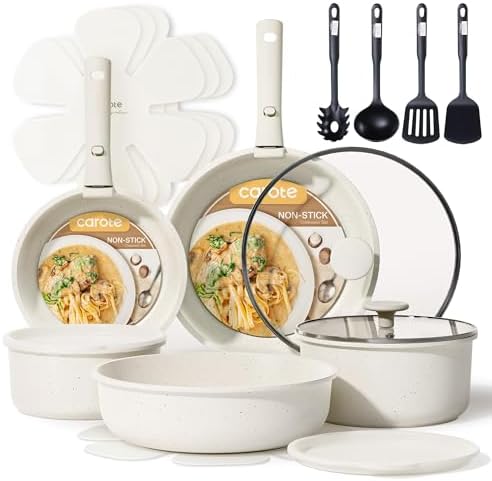
- Optimal storage and easy stacking with the handles off saves up to 70% more space of Carote detachable handle pots and p…
- For a Fuss-free Cleaning: Cleanup with ZERO elbow grease thanks to the non stick ability. As both a cookware set and a d…
- Multitasking Cookware Set: Removable handle for the ultimate versatility– go from ALL kinds of stoves to the oven, to th…
When it comes to cooking, having the right cookware plays a pivotal role in achieving delicious and well-prepared meals. Essential cookware items include non-stick pans, stainless steel pots, and cast iron skillets, each serving unique purposes in the kitchen.
Non-stick pans are favored for their ability to minimize the amount of oil or fat needed when cooking. This makes them ideal for preparing delicate items such as eggs and pancakes. They also make cleaning a breeze, as food particles are less likely to stick to the surface. However, to ensure their longevity, it is crucial to avoid using metal utensils that can scratch the coating. Instead, opt for silicone or wooden utensils to maintain the integrity of the non-stick surface.
Stainless steel pots are renowned for their durability and resistance to rust and staining. They are excellent for boiling, simmering, and even browning foods thanks to their ability to conduct heat evenly. To keep stainless steel cookware in top condition, use gentle detergents and avoid abrasive cleaning pads. While they may require a bit more effort to clean, the results in cooking are well worth it.
Cast iron skillets are versatile and can be used on the stovetop or in the oven, making them ideal for a wide array of dishes. Their ability to retain and distribute heat evenly is unparalleled, allowing for optimal cooking. Proper care is essential to prevent rust and maintain seasoning. After each use, clean with hot water and a stiff brush, and avoid soap which can strip the seasoning. Regularly applying a thin layer of oil after cleaning will help maintain the skillet’s non-stick qualities as well.
In selecting quality cookware, consider factors such as weight, handle comfort, and heat conductivity. Investing in a few key pieces of high-quality cookware can enhance your cooking experience and yield better results in the kitchen.
Baking Essentials: Tools Every Baker Needs

- Premium Safe Silicone:We attach great importance to the health of our customers.So we offer the premium food grade silic…
- Non-stick Mat:Please look over the video of the listing.This silicone baking mat is very good non sticky surface.And it …
- A Level Up Pastry Mat:The thickness of the mat is 0.7MM.The thickness of the silicone pad is almost twice as thick as th…
Baking is an art and a science, requiring precision and the right tools to achieve successful results. For beginners and seasoned bakers alike, certain essentials are fundamental in the pursuit of baking excellence. This section will discuss key baking tools that every home baker should consider having in their kitchen.
First and foremost, mixing bowls are vital for any baking endeavor. These bowls come in various sizes and materials, such as glass, stainless steel, or plastic. A good set of mixing bowls allows you to mix, combine, and prepare ingredients efficiently. For those just starting, a nesting set can save space and provide versatility in managing different mixtures.
Another essential tool is a whisk. Whisks are indispensable for combining ingredients smoothly and aerating mixtures, especially when preparing batters or whipped creams. Look for a whisk with a comfortable handle and sturdy wires, as this will make the task easier and more enjoyable.
In baking, precision is key; thus, a reliable rolling pin must not be overlooked. This tool is essential for rolling out dough into an even thickness for pastries, cookies, and pizza. Select a rolling pin that feels comfortable in your hands and is long enough to cover your work surface effectively. Some bakers might prefer a French rolling pin, which allows for greater control over the rolling process.
Lastly, a good set of baking sheets is crucial. These sheets are used for everything from cookies to roasting vegetables. Opt for heavy-duty sheets that promote even heat distribution, thus ensuring thorough cooking. Non-stick or parchment-lined options can simplify cleanup and prevent sticking, making them ideal for novice bakers.
With these baking essentials in your kitchen, you are well-equipped to embark on your baking journey, ensuring both ease and success as you develop your culinary skills.
Utensils: The Underappreciated Tools
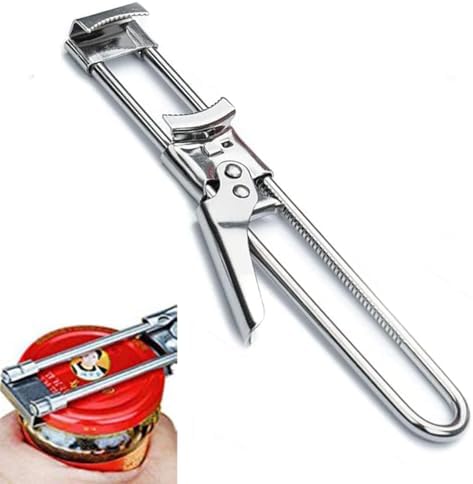
- 1.zengxiaoyun Adjustable Multifunctional Stainless Steel Can Opener ,The minimum opening of the lid is about 1 inches, a…
- 2. The maximum length adjustment range is 5.3 inches.
- 3 Product is approximately 7.7 inches long and 1.18 inches wide
In the realm of culinary pursuits, utensils often remain underappreciated despite their significant role in facilitating efficient cooking and serving processes. A well-rounded collection of cooking utensils—including spatulas, tongs, ladles, and serving spoons—can enhance both the quality and enjoyment of food preparation.
Spatulas are versatile tools, typically made from materials such as silicone, wood, or plastic. Their primary function is to flip, spread, and mix ingredients. Silicone spatulas, in particular, are heat-resistant and flexible, making them ideal for scraping bowls clean and ensuring that no ingredient goes wasted.
Tongs are indispensable in any kitchen, allowing cooks to grasp and turn foods without breaking them apart. They come in various styles and materials, with stainless steel being a popular choice due to its durability and ease of cleaning. Tongs are particularly useful for grilling and frying, enabling safe handling of hot items without risking burns.
Ladles, on the other hand, serve the essential purpose of portioning liquids like soups and sauces. Often crafted from stainless steel or plastic, ladles are designed with long handles to provide comfortable reach when serving from deep pots. Their capacity to hold a generous amount of liquid makes them a staple in both home and professional kitchens.
Serving spoons, commonly made from wood, metal, or ceramic, complement the array of utensils by providing a means to serve prepared dishes directly onto plates. A diverse set of utensils simplifies various cooking tasks, promotes efficiency, and contributes to a more pleasant cooking experience overall.
Appliances: Must-Haves for Modern Kitchens

- THE PERFECT GIFT: Whether it’s a birthday, a White Elephant party, or Father’s Day, the Breakfast Sandwich Maker makes a…
- MAKE 1 OR 2 SANDWICHES. Cook one or two sandwiches at once with this dual breakfast sandwich maker. It’s great for coupl…
- QUICK, EASY AND READY TO EAT IN 5 MINUTES: This sandwich maker lets you easily create a breakfast, lunch or dinner sandw…
In the contemporary kitchen, various small appliances serve as vital tools to enhance cooking efficiency and ease. Among these, blenders, mixers, and food processors stand out as essential investments for both novice cooks and seasoned chefs. Each appliance comes with distinct functionalities that cater to diverse culinary tasks, making them indispensable in modern culinary practices.
A blender, for instance, is a versatile device commonly used to create smoothies, soups, and sauces. With multiple speed settings and blade configurations, it can efficiently puree, chop, or blend ingredients to achieve the desired consistency. When selecting a blender, consider its motor power, jar material, and ease of cleaning. A high-power blender can efficiently tackle tough ingredients, whereas a glass jar may offer durability and better heat resistance.
Mixers, whether stand or hand-held, play an essential role in baking. They facilitate the mixing of various ingredients, such as flour, sugar, and eggs, resulting in a smoother and more consistent batter. Stand mixers often come equipped with different attachments, allowing users to knead dough, whisk, or frost effectively. It’s important to evaluate the capacity of the mixer and the versatility of attachments when making your choice.
Food processors, on the other hand, streamline tasks such as chopping, slicing, and shredding, saving substantial time during meal preparation. With a variety of blades and disks available, they can quickly handle multiple ingredients simultaneously. When choosing a food processor, consider the bowl size and the array of functions to ensure it meets your specific cooking requirements. An ideal food processor is durable and comes with easy-to-clean components.
By incorporating these essential appliances into your kitchen arsenal, you can significantly enhance your cooking experience, streamline meal preparation, and broaden your culinary possibilities.
Conclusion: Building Your Perfect Kitchen Tool Kit
Creating a kitchen that functions seamlessly requires a well-thought-out selection of tools that cater to your specific cooking needs. While it can be tempting to purchase an abundance of kitchen tools, focusing on quality over quantity is paramount. Investing in a smaller number of versatile, durable tools rather than an extensive collection of lesser-quality items will ultimately lead to a more efficient and enjoyable cooking experience.
When building your personalized kitchen tool kit, consider your cooking habits and preferred cuisines. For passionate bakers, essential items might include high-quality measuring cups, a sturdy mixer, and precision baking sheets. If you lean towards savory dishes, investing in a reliable set of chef’s knives, cutting boards, and durable pots and pans may be a priority. Assessing your cooking style will allow you to make informed decisions about which tools will be most beneficial in your kitchen.
It is also worthwhile to keep in mind that some tools, such as multi-purpose instruments, can provide great value. For instance, a good food processor can serve multiple functions – from chopping vegetables to mixing dough. Be strategic in your choices: think about the types of meals you frequently prepare and select tools that enhance your efficiency and creativity.
Ultimately, the right kitchen tools will not only elevate your cooking but also make the process more enjoyable. Strive to build a kitchen that reflects your culinary preferences while allowing for flexibility and creativity. By investing in the essentials that truly matter to you, you will cultivate an environment that encourages both skillful cooking and delightful culinary experiences.